
02/04/2026
Stomach Pain in Kids - Ways to help keep tummy troubles at bay

When a child is not eating well or experiences discomfort, this might be due to tummy troubles .

Tiny tummies are vulnerable and susceptible to digestive problems like constipation and regurgitation. Have you noticed your child being extra fussy, feeling gassy, not eating well, not sleeping well, red-faced or squirming and nothing you do seems to soothe him or her? Perhaps your child is experiencing tummy troubles.
Indigestion in children can manifest in many different ways, so arm yourself with the right information on signs and symptoms of tummy troubles.
Signs that your child may be having tummy troubles
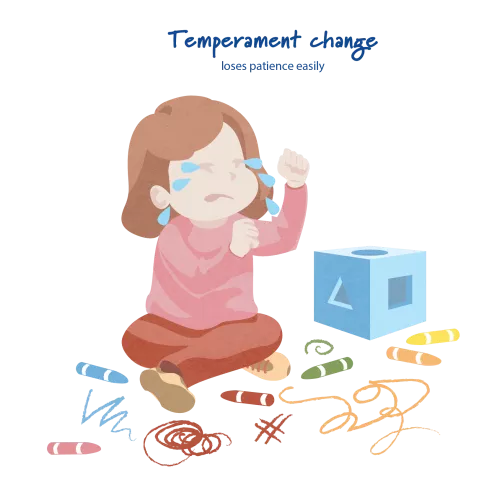
Throws tantrums1
Loses patience easily
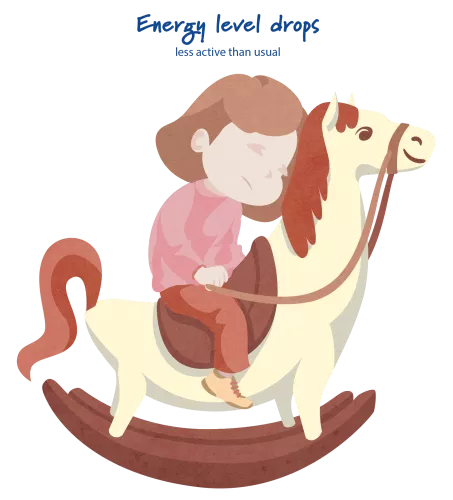
Energy level drops5
Less active than usual
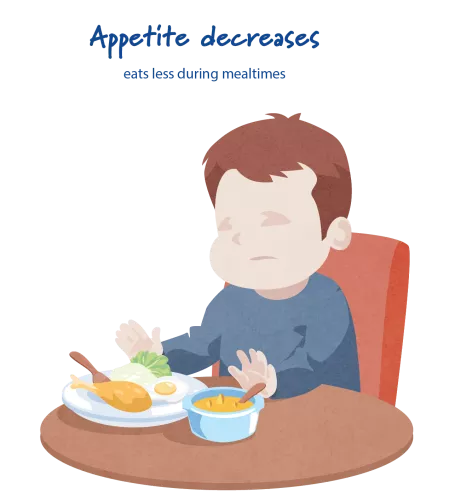
Appetite decreases1
Eats lesser with each meal

Mood swings1
Cries more often*
* However, if your child is crying for more than three hours a day, three or more days a week, for three or more weeks, it may be a possible sign of colic.

Watery Stools1
Gets dehydrated very quickly (sign of diarrhea)
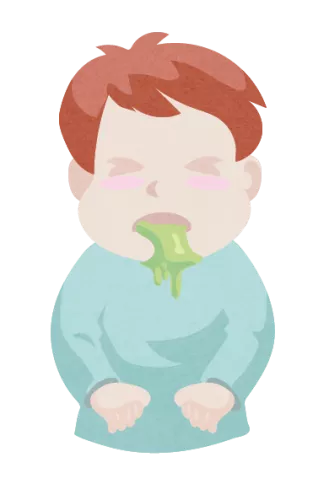
Vomitting1
Spits up large amount of milk after feeding (sign of regurgitation)

Infrequent Bowel Movements4
Difficulty in pooping (sign of constipation)
While these signs may point to indigestion in kids, you should ideally consult your pediatrician to confirm if there’s truly a problem. Adopting the following five lifestyle habits may also help keep your child tummy-happy.
5 ways to keep tummy troubles away

Live active
This keeps food moving in the gut and promotes better digestion.
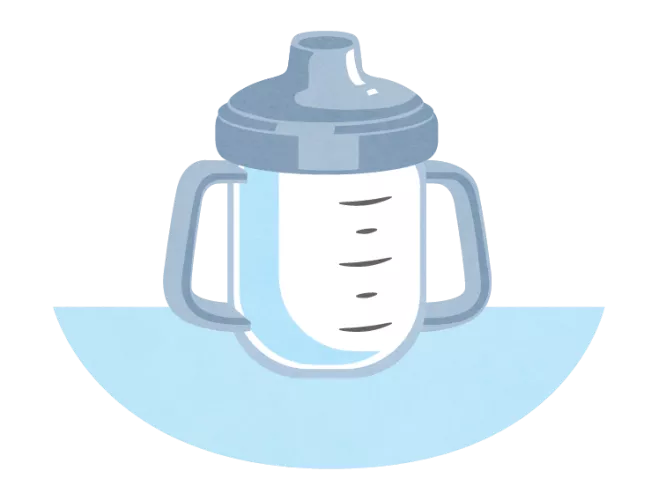
Drink constantly2
Drinking water regularly helps to ease your child’s upset stomach. Water helps to maintain body fluid when your child is passing watery stools and it also helps to break down dry stool during constipation.
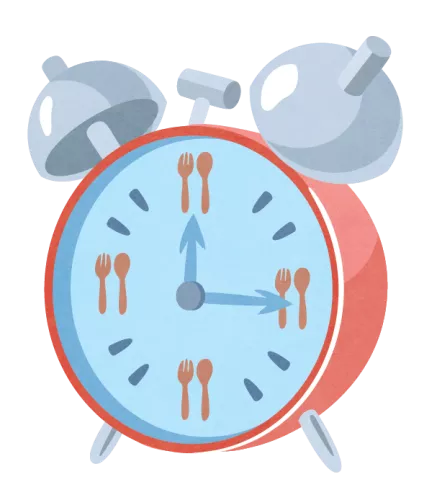
Small, frequent feeds
Eating small meals frequently minimises bloating.

Eat just enough
Avoid overloading your child’s digestive system
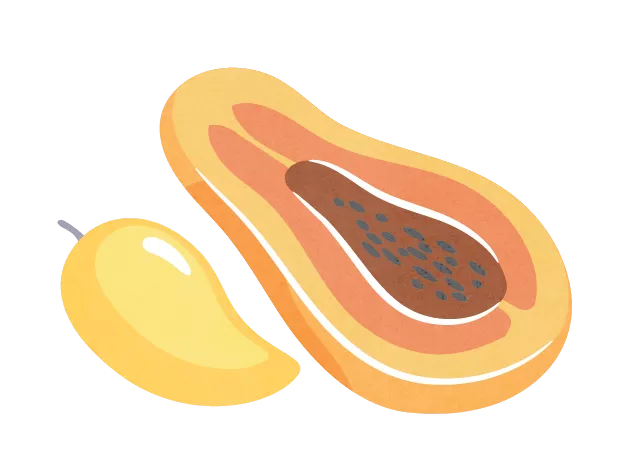
Feast on enzymes3
Foods like pineapples and papayas are rich in enzymes that can help with digestion in children experiencing bloating.
Foods like bananas and rice help add bulk to your child’s digestive system and replenish nutrients and minerals through diarrhea.
Foods like broccoli and berries are rich in fibre that can help prevent constipation.
Tummy troubles can be caused by a variety of factors. Fortunately, there are many ways of easing the pain too! We hope these tips will help you relieve your child’s discomfort!
References:
- https://www.webmd.com/children/guide/help-child-tummyache#1
- https://www.hellomotherhood.com/what-are-the-best-drinks-for-a-child-with-an-upset-stomach-8100529.html
- https://www.familyeducation.com/best-foods-kids-tummy-troubles#:~:text=Some%20foods%20add%20bulk%20to,a%20result%20of%20loose%20stools.
- https://www.healthline.com/health/childrens-health/remedies-for-baby-constipation#signs2
- https://raisingchildren.net.au/guides/a-z-health-reference/stomach-ache
You may also like




You may also like







Accept and close