
21/04/2026
Spit Up and Reflux – How to Help Your Child

If your child is spitting up milk, here’s what might be causing the reflux. Consider switching to a specialty range of growing up milk.

Tiny tummies are vulnerable and susceptible to digestive issues, especially if they don’t agree with the nutrients that they are fed. Have you ever experienced times when your little one won’t stop crying and nothing you can do will soothe him or her? Arm yourself with the right information in order to identify the problem or help your little one avoid tummy troubles all together.
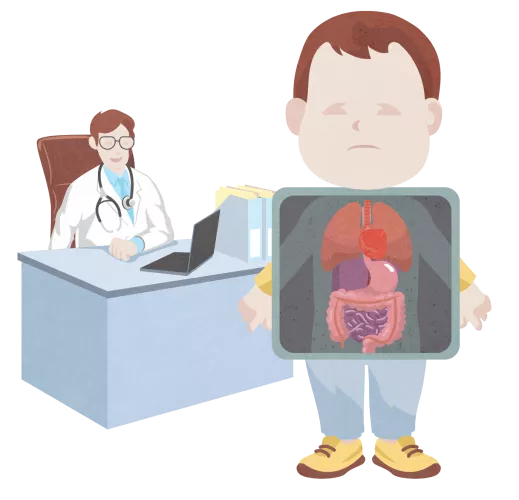
Spitting up
It’s normal for young children to experience reflux. This might be because his or her digestive system is not fully developed yet.
This is why it’s important to pick a formula milk that is catered to your child’s specific needs.
Infrequent bowel movements
Hard or pellet-like stools; crying and arching of back when pooping; and irregular bowel movements are all signs that things are not well in your child’s digestive tract.3,4
Watery stools
Frequent watery stools for a week or longer could be caused by a virus or related to the body’s inability to process these nutrients. Children get dehydrated very quickly, so look out for signs that your little one is dehydrated, such as dry eyes, lethargy and sunken eyes.5,6,7
Vomiting
Throwing up after meals all the time could indicate that your child cannot process certain nutrients or is infected by a virus.8,9
Pain is not always present, but children do cry more often when they encounter digestive issues. If symptoms persist, you may want to check in with your paediatrician.
How to soothe tummy troubles
If your little one is experiencing tummy troubles, try these methods of easing the discomfort and soothing your child.

Tummy discomfort: Repetitive motions or a warm bath
Create soothing movements for your child. Rock him/her in your arms or in a rocking chair, give a gentle tummy massage or a warm calming bath.10,11

Spit up: Keep your child upright after meals
Keep your child upright for at least 30 minutes after feeding, instead of laying your child on his/her back immediately, which will encourage the food’s transition to the stomach, which may reduce reflux-related symptoms.1 In addition, encourage burping by gently padding the childs back while sitting upright.

Infrequent bowel movements: Abdominal massages and increase fibre intake
If your child has already started eating solid foods, choose high-fibre foods like pears, brown rice, whole grains and spinach. Also, try increasing water intake and performing abdominal massages to ease constipation. Use clockwise movements to massage along the direction of the digestive tract, which can promote natural bowel movements.3,4
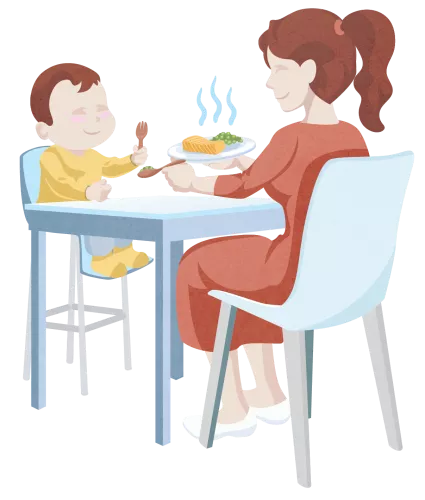
General: Eat foods rich in omega-3 fatty acids
Foods rich in omega-3 fatty acids (fish oil, salmon) can support gut health.12
The above tips could help ease your child’s tummy troubles. If the problem persists or your baby is in constant discomfort, consult your paediatrician or doctor immediately.
References:
You may also like




You may also like







Accept and close