
21/04/2026
Gassy Child: Common causes of gassiness in children

Why is my child so gassy? Certain foods can cause wind in the stomach and gut.

Why is my child so gassy? A gassy child is a common and normal occurrence, given a child’s tiny and immature digestive system1. Occasional gas is also often caused by air swallowed during feeding or crying. In addition, there are also certain foods that make children gassy. As such, the build-up of gas in your child’s tummy might lead to a colicky child.
At a few weeks or few months of age, a child’s digestive system is still immature. Digesting food is a challenging task for the delicate and still-developing gastrointestinal tract. As the young digestive system is still building up enzymes and adequate beneficial microbiota in the gut, and getting used to milk and other types of food later on, food can sometimes pass through too quickly and be insufficiently broken down.
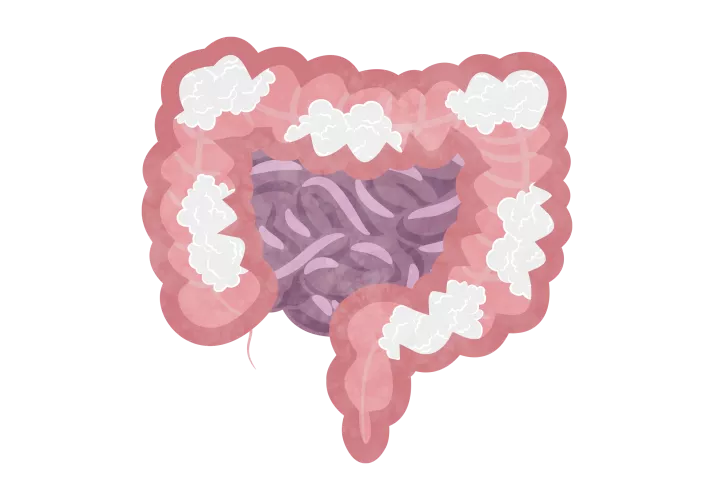
This can result in excessive gas production in the intestines that causes pain. If proteins pass through undigested, they can be fermented in the colon by bad bacteria. This fermentation can lead to gas forming and building up in your child’s gut.
Certain foods can also make young children gassy. Although every child’s body reacts uniquely to various foods, the usual suspects that cause gas build-up are green veggies, beans and several types of fruit.

These foods are nutritious and generally beneficial for our health, but there’s no harm testing if any of the following are causing your child’s gut to produce and accumulate excess gas: apricots, beans, bran, broccoli, brussels sprouts, cabbage, cauliflower, citrus fruits, oatmeal, peaches, pears, plums and prunes. 2
Gas in the digestive tract can also come from air swallowed during feeding or crying. Small amounts of air get swallowed when eating and drinking. Additionally, crying in general causes children to gulp air into their digestive systems. These air bubbles get trapped in their stomachs and can lead to the accumulation of gas in the stomach.
Gassiness can be attributed to an array of factors. If your child’s crying and discomfort persists, consult a paediatrician. Armed with a deeper knowledge of gas build up in kids and their digestive tract, you can now minimise the chances of your child experiencing discomfort.
Sources:
You may also like




You may also like







Accept and close