
21/04/2026
Sense and abilities
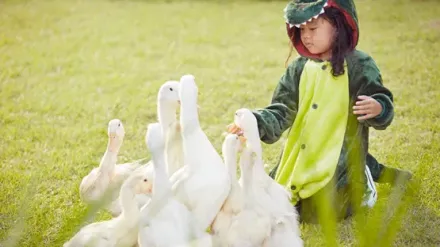
“Nature’s diversity is such a rich resource for exploration and sensory learning, offering stimuli for our 5 senses and allowing our brain to give these sensations meaningful interpretations. Symbolic learning, for example, from the television or books would never equal to the experience of being there in the midst of nature! Watching a documentary about a camping trip to the jungle or forest would not be the same as actually being on the trip and feasting the senses on all the sights and sounds. When our children spend time with nature, they learn to respect and appreciate it. They are much healthier, developing gross and fine motor coordination, enjoying their outdoor activities and learning skills. They learn to socialise and interact, sharing and building relationships.” – Dr Aw Tui Lar, Consultant Psychiatrist

The outdoor book of senses
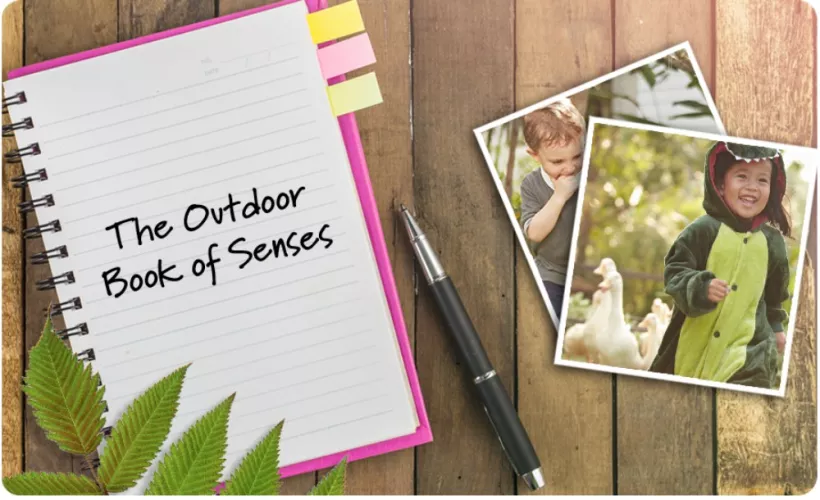
Divide an empty notebook into 5 sections – one for each sense – and create your own nature logbook. Play the “I spy” game outdoors and let your child record his observations in the different sections of the logbook as he explores all 5 senses.
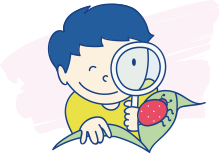
See: I spy with my little eye
Walk around your nearest park and get your child to guess an item that you see. For example, “I spy with my little eye, something that’s red and has wings!”.
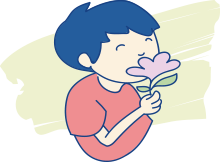
Smell: I smell with my little nose
Take a deep breath at the beach. What do you smell? Using the same idea, get your child to guess what you’re smelling. Is it the salty scent of the seawater?

Hear: I hear with my little ear
Bring your child out for a walk around the neighbourhood and pick out interesting sounds. Prompt your child to listen out for the melody of chirping birds or the breeze.

Taste: I taste with my little tongue
Plan a picnic by the playground. Mix in some sour cherries and salty cheddar, and let your child identify the foods while being blindfolded.

Touch: I touch with my little finger
Stroll along a trail of touch at your nearby garden. Blindfold your child, then proceed to feel the textures of tree barks and flowers.
RELATED ARTICLES
You may also like



Accept and close